What Is a Live Dealer Casino and How Does It Work?
Watching a real dealer shuffle cards or spin a roulette wheel from your phone may sound like a video call mixed with a casino game. That description is actually quite close to how the experience works.
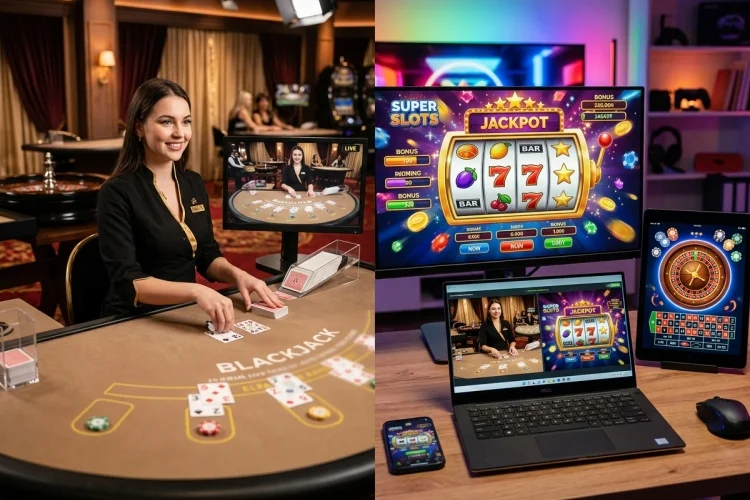
A Live Dealer Casino connects players to a physical gaming table through a real-time video stream.
Instead of playing against fully animated software, you watch a trained host manage cards, wheels, or other gaming equipment inside a dedicated studio. Bets are still placed digitally through buttons on the screen.
This guide explains the complete process, including how the studio operates, how wagers are recorded, how results reach your device, and what beginners should check before joining a table.
What Is a Live Dealer Casino?
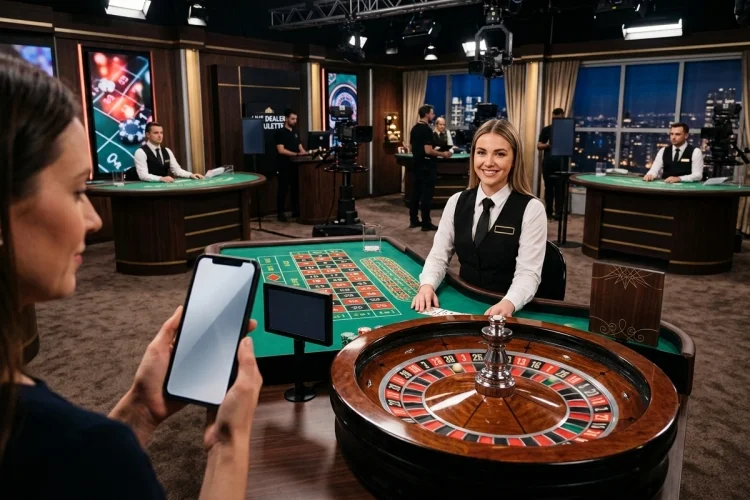
A live casino is an online gaming section where table games are hosted by human dealers in real time. The dealer normally works from a secure broadcasting studio or, in some cases, from a physical casino floor.
Gaming Laboratories International describes live dealer gaming as a system in which a human dealer runs a game from a physical table inside a secure studio. The action is transmitted to remote players through an online platform.
Popular options include live blackjack, roulette, baccarat, poker-style games, and game-show-inspired titles. Availability depends on the provider and local regulations.
How a Live Game Begins
After opening the live casino lobby, players can usually browse tables according to game type, language, betting limit, provider, or available seats. Selecting a table opens the video feed and digital betting interface.
Every round has a limited betting period. During that time, players select chips and place wagers on the screen. In roulette, for example, you might tap a number or betting area. In blackjack, you place a main bet before the cards are dealt.
Once the timer reaches zero, the system stops accepting new wagers and the dealer begins the round.
What the Dealer Does
The dealer handles the physical part of the game. Depending on the title, this may include shuffling and dealing cards, spinning a roulette wheel, announcing results, or guiding players through available actions.
Dealers follow established procedures rather than choosing results themselves. They may also explain the current round, welcome players, and respond to appropriate messages through the table’s chat feature.
Evolution’s live studio roles, for example, involve hosting games such as blackjack, roulette, and baccarat while following game procedures and on-screen instructions.
How Bets and Results Reach Your Screen
The video stream shows the physical action, while the digital interface handles player commands and wagering information. These two elements work together but serve different purposes.
When a roulette ball lands, a recognition system or trained studio process records the winning number. In a card game, the cards dealt at the table are registered so the interface can calculate totals, available decisions, and payouts.
Some live roulette systems use video-based winning-number recognition to capture results quickly. Regulated live dealer operations must also be fair and independently auditable under applicable technical standards.
Which Technology Makes It Possible?
High-definition cameras capture the dealer and table from one or more angles. Microphones provide sound, while streaming technology sends the broadcast to desktop computers, tablets, and smartphones.
The interface is commonly built with web-compatible technology such as HTML5. Pragmatic Play states that its live games use HTML5 on desktop and mobile, supporting video streaming, graphics, multimedia, and interactive features.
A stable internet connection is important. A slow connection may cause delayed video, although the actual wager is processed by the gaming platform rather than determined by the picture appearing on your screen.
Live Casino Games Versus Digital Games
A standard digital casino game is generally controlled by software and may use a random number generator to determine outcomes. Its cards, wheels, and dealers are computer-generated.
In live gaming, the main result comes from physical equipment handled during a broadcast. You see actual cards being dealt or a real wheel being spun.
The live version usually feels more social and realistic, but rounds may take longer. Digital games often move faster because animations can finish almost immediately.
What Beginners Should Check
Start by checking whether the operator is licensed to serve players in your jurisdiction. Remote casino licensing can cover games offered through websites, mobile devices, television, and other online services.
Read the game rules and betting limits before entering. Two blackjack tables may use different payouts or dealer rules, while baccarat and roulette tables can offer different side bets.
Also check the connection quality and interface using a low-limit or demonstration option when available. Never place larger wagers simply because the presenter or studio atmosphere makes a round feel exciting.
Responsible Live Play
Live streaming can make a session feel similar to watching entertainment, which may cause time to pass unnoticed. Set a spending limit and an end time before opening the table.
Some regulated markets require tools that help customers keep track of how long they have been gambling. Players should also use available deposit limits, session reminders, and account controls when needed.
A Live Dealer Casino combines a physical gaming table with digital betting and real-time video. The dealer handles real cards, wheels, or other equipment, while the online interface records wagers, displays choices, and settles results.
The format offers more human interaction than a fully automated game, but it does not change the role of chance or guarantee better results.
Before participating, verify the operator’s licence, learn the specific table rules, and choose limits that fit an entertainment budget.
Explore the lobby carefully, begin with low stakes, and use responsible-play tools to keep every live session controlled and enjoyable.